














Estimated reading time: 2 minutes
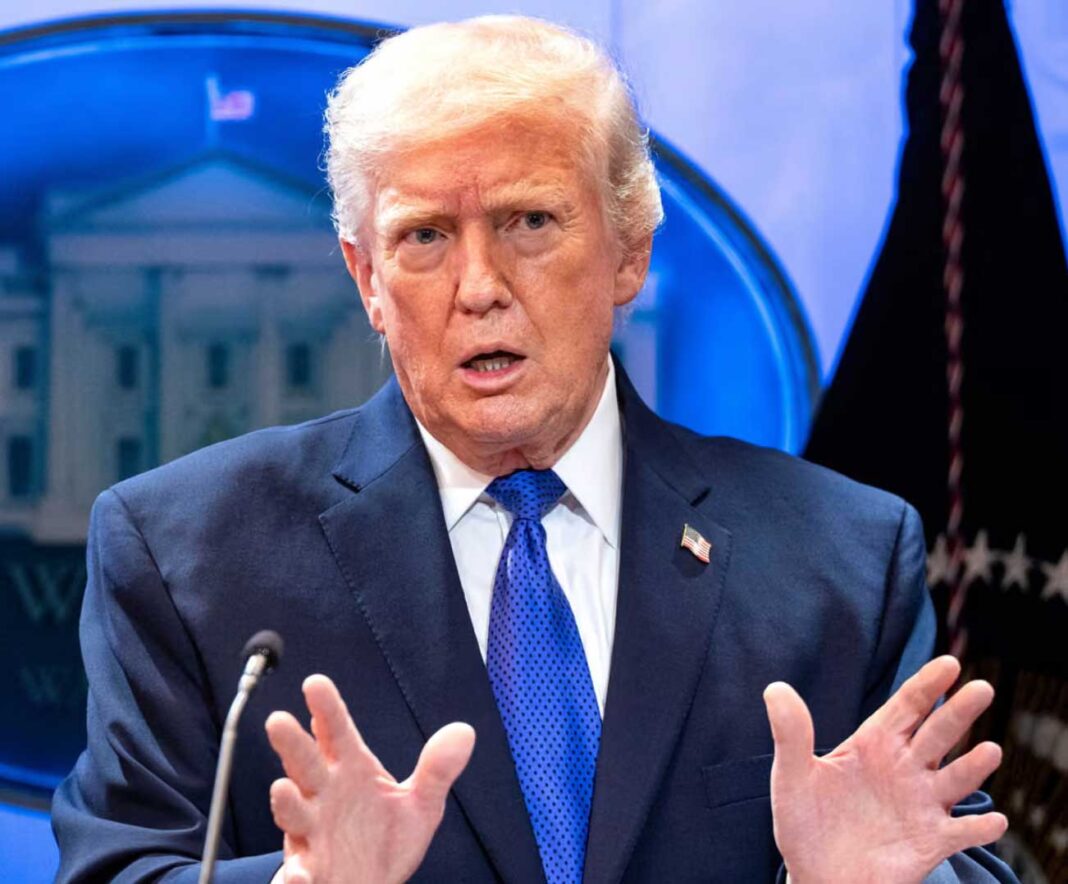
EEUU. Donald Trump has announced on his social media platform that he has signed an order to impose tariffs on every nation, although he made no reference to what legal authority he was relying on to do so.
“It is my Great Honor to have just signed, from the Oval Office, a Global 10% Tariff on all Countries, which will be effective almost immediately,” the president posted.
Minutes later the White House released a fact sheet explaining that Trump had signed a proclamation “invoking his authority under section 122 of the Trade Act of 1974” to impose “a temporary import duty”.
Last year, the Congressional Research Service, which provides legislative research and analysis to lawmakers, explained that, temporary, legal authority:
Section 122 of the Trade Act of 1974 directs the President to take measures that may include a temporary import surcharge (tariff) when necessary to address “large and serious United States balance-of-payments deficits” or certain other situations that present “fundamental international payments problems.” Section 122 has never been used, and therefore courts have had no occasion to interpret its language. Some news reports have noted this provision appears to authorize the President to impose across-the-board tariffs on imports in some circumstances.
The law does, however, place limits on such tariffs which may be imposed by the president for “a period not exceeding 150 days,” and are “not to exceed 15 percent”.